

In today’s fast-paced logistics and transportation industry, operational efficiency and space optimization are vital to maintaining profitability. As fuel costs rise and environmental concerns intensify, companies are under increasing pressure to maximize payloads per trip while minimizing trips per payload. One solution gaining widespread adoption in the commercial transport sector is the vertically mobile double floor system, commonly known as double deck systems.
This innovative approach transforms the conventional cargo space into a multi-level structure, allowing logistics providers to transport significantly more goods using the same vehicle footprint.
Understanding Double Deck Technology
Double deck systems revolutionize the traditional use of cargo space by introducing a vertically adjustable secondary platform inside commercial vehicles. Rather than stacking cargo in a single layer and leaving unused space above, these systems enable a two-tier configuration that fully utilizes the vertical space of the transport container.
These systems are engineered for flexibility. The adjustable second floor can be raised, lowered, or completely retracted based on cargo size and type. This flexibility is particularly valuable in industries transporting voluminous but lightweight goods, such as:
- Parcel and courier shipments
- Pre-packaged food and snacks
- Textile rolls or hanging garments
- Consumer electronics in bulk packaging
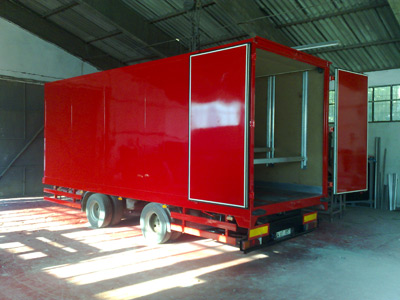
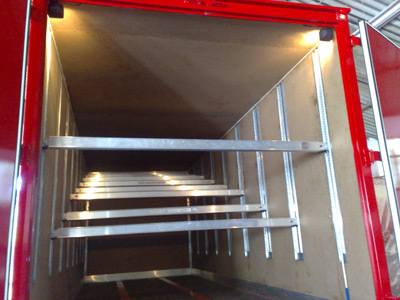
Core Technologies in Double Deck Systems:
- Hydraulic or Mechanical Lifting Mechanisms: These allow the second floor to move smoothly between positions, controlled either manually or automatically.
- Safety Locking Systems: Mechanical or electronic locks secure the platform during transit, preventing unintended movements or collapses.
- Load Sensors: These monitor the weight distributed on each level, ensuring legal limits are respected and reducing the risk of overloading.
- Anti-slip Flooring and Edge Guards: Prevent cargo from sliding or toppling during transport, especially in curved roads or high-speed travel.
By using these technologies, double deck systems deliver both safety and efficiency during high-volume operations.
Payload Optimization with Vertically Mobile Floors
The most substantial value of vertically mobile floors lies in their ability to maximize load capacity without increasing vehicle dimensions. Traditional single-floor loading often results in wasted vertical space—particularly with low-stacked or lightweight goods that cannot be piled higher for safety reasons.
Benefits of Optimized Payload Distribution:
- Up to 40% More Capacity: By using dual-level loading, fleets can carry significantly more goods per trip, especially for parcels, dry goods, or packaged items.
- Improved Cargo Stability: A well-balanced weight distribution across two floors enhances vehicle handling and reduces the risk of top-heavy tipping.
- Fewer Delivery Runs: Increased capacity means fewer trips to deliver the same amount of goods, resulting in time and fuel savings.
- Lower Carbon Footprint: Reduced mileage and optimized routing directly support green logistics goals.
Moreover, the segmentation feature of double decks improves workflow by allowing cargo to be grouped by delivery route or priority, facilitating faster and more accurate unloading at each stop.
Installation and Integration Process
The installation of a vertically mobile double floor system requires a customized engineering approach tailored to the vehicle’s structure and the operator’s logistics model.
Key Steps in Integration:
- Vehicle Assessment: Interior measurements, axle load limits, and usage scenarios are evaluated. For example, a vehicle used in cold-chain logistics may require special insulation layers alongside the double deck structure.
- System Design: Based on cargo type and frequency, engineers determine floor strength, lift capacity, and height intervals for platform positions.
- Mechanical and Structural Integration: This includes mounting guide rails, hydraulic cylinders, safety locks, and testing mobility. The chassis is reinforced if necessary to support the added floor.
- Calibration and Safety Testing: Platforms undergo rigorous load and motion testing to comply with transportation safety regulations (e.g., EN 12642, ISO 27956).
Though initial installation costs can be higher than traditional builds, the payback period is often within 12–24 months due to reduced logistics expenses and increased operational throughput.
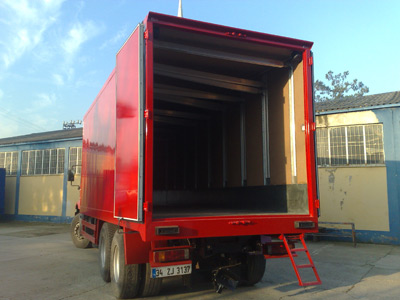
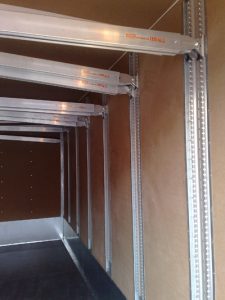
Industries Benefiting from Double Deck Systems
Double deck systems serve a broad range of industries, especially those dealing with light but high-volume products or time-sensitive deliveries. Key sectors include:
- Retail and E-Commerce: These sectors often require fast, frequent deliveries of boxed goods, where vertical space is typically underutilized.
- Pharmaceutical Transport: Enables strict separation between temperature-sensitive medications and dry goods in the same vehicle.
- Food & Beverage Distribution: Facilitates multi-stop deliveries for different outlets, keeping SKUs organized.
- Automotive Logistics: Handles both large and small parts, often requiring segmentation for assembly lines.
- Courier and Postal Services: Improves vehicle utilization on dense urban routes with high parcel turnover.
These systems are also ideal for urban deliveries, where vehicle size is restricted but cargo volume remains high.
You might also like: VERTICALLY MOBILE DOUBLE FLOOR SYSTEM CLOSED CRATES
Maintenance and Operational Considerations
To ensure consistent performance and safety, double deck systems must be maintained with the same rigor as core vehicle systems.
Routine Maintenance Practices:
- Hydraulic System Checks: Fluid levels, seals, and pressure calibrations must be verified regularly to avoid lift failure.
- Platform Alignment: Misaligned decks can damage cargo and destabilize loads. Periodic realignment ensures smooth operation.
- Lubrication: All moving parts, including hinges and rail sliders, need proper lubrication to prevent mechanical wear.
- Sensor & Lock Testing: Sensors should be tested for accuracy, and locking mechanisms inspected for integrity.
Operational Best Practices:
Drivers and logistics personnel should undergo training on how to:
- Safely adjust floor heights
- Load and balance weight across both levels
- Handle emergency platform retraction or release
Choosing a supplier who offers technical support, spare parts, and user training ensures system longevity and reduces total cost of ownership.
Conclusion: A Smarter Way to Transport More
The vertically mobile double floor system represents a transformative step in commercial transport logistics. By optimizing unused vertical space, businesses can increase capacity, improve efficiency, and gain a competitive edge in a cost-sensitive market. These systems not only support economic goals but also align with sustainability objectives by reducing fuel use and emissions.
If you’re looking to elevate your fleet’s performance and modernize your cargo solutions, Karosan Karoser delivers customized double deck systems engineered for precision, safety, and durability.