

In a global beverage market driven by speed, volume, and freshness, efficient delivery systems are essential to keeping shelves stocked and customers satisfied. Beverage distribution trucks play a central role in this logistical chain, ensuring that drinks—from soft beverages and bottled water to alcohol and energy drinks—arrive at their destinations in pristine condition.
This guide explores the evolution of beverage transport, the types of distribution bodies available today, essential features for loading and unloading, and how these vehicles can be tailored to suit specific beverage categories.
Evolution of Beverage Transport Solutions
The transportation of beverages has evolved significantly over the past few decades. Early models of beverage trucks were basic flatbeds or open-body vehicles with little concern for temperature, load stability, or ergonomics. As the beverage industry expanded and the volume of products increased, the need for more specialized and insulated transport bodies became apparent.
By the early 2000s, the rise of convenience stores, supermarkets, and point-of-sale refrigeration meant that manufacturers and distributors had to deliver beverages faster, colder, and with greater precision. This led to the development of insulated, segmented, and hydraulic-assisted beverage truck bodies, capable of reducing labor, protecting cargo, and maximizing payload.
Today’s modern beverage distribution trucks are engineered for durability, insulation, efficiency, and ergonomics, offering features that directly impact cost-per-delivery and brand quality preservation.

Types of Beverage Distribution Bodies
Beverage distribution trucks come in several designs, each suited to specific delivery models and geographical regions.
1. Side-Load Trucks
These are the most common format for urban delivery. Side-load trucks feature roll-up or swing-out doors on the side of the body, offering quick access to different compartments. Each segment can be allocated to a specific beverage brand or package type.
Ideal for: City routes, convenience stores, high-frequency deliveries
2. Rear-Load Trucks
Used primarily for larger quantities and warehouse deliveries, rear-load trucks have wider entry space and often include lift gates or ramps for pallet handling.
Ideal for: Bulk shipments, supermarket chains, distribution centers
3. Bay Body Trucks
These trucks feature multiple segmented bays with specific rack systems designed to hold crates, cans, or bottles. Some are fixed; others are adjustable or collapsible.
Ideal for: Multi-brand deliveries, precise SKU management
4. Refrigerated Beverage Trucks
For products requiring strict temperature control, these bodies incorporate refrigeration units and insulated panels, often in multi-zone formats.
Ideal for: Juice, dairy-based drinks, premium bottled waters, and craft beverages
Temperature Control in Beverage Transport
Temperature plays a vital role in beverage preservation. Exposure to heat can degrade taste, carbonation, and packaging integrity. As a result, many beverage distribution trucks are equipped with:
- Insulated walls and flooring to reduce thermal exchange
- Integrated refrigeration systems with digital thermostats
- Multi-zone climate control to separate product types (e.g., cold-pressed juices vs. bottled water)
- Data logging systems to record temperature history for quality assurance
Maintaining cold chain integrity is especially critical for premium beverages and markets that value freshness and health-conscious packaging.
You might also like: Beverage Distribution Bodies: Maximizing Efficiency in Drink Transportation

Loading/Unloading Efficiency Features
In beverage logistics, time equals money. Efficient loading and unloading systems not only improve delivery speed but also reduce worker fatigue and product damage.
Key features enhancing efficiency include:
- Hydraulic lift gates or folding ramps for bulk deliveries
- Ergonomic shelving systems that minimize bending and lifting
- Sliding trays or retractable shelves for faster crate retrieval
- Aluminum or stainless steel flooring for easy cleaning and non-slip safety
- LED lighting in cargo areas for visibility during early or late deliveries
Some trucks even include powered hand trucks or pallet jacks, stored in designated compartments, to support rapid deployment at retail locations.
Customization Options for Different Beverage Types
Each beverage type comes with unique handling and delivery requirements. A one-size-fits-all vehicle design simply doesn’t cut it. Leading manufacturers now offer tailor-made beverage truck solutions, designed for specific client portfolios and operating conditions.
Customization examples:
- Soft drinks: Bay configurations for bottle and can crates, shock-absorbent shelves
- Beer & alcohol: Lockable compartments, temperature stabilization, anti-vibration flooring
- Water delivery: Higher capacity tanks or racks for 5-gallon containers
- Energy drinks: Branding compartments for high visibility, separated energy storage
- Dairy or fermented beverages: Dual-zone insulation, spill containment floors
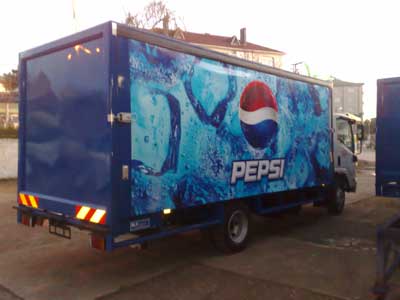
In addition, trucks can be wrapped with custom graphics for brand identity, include GPS tracking systems, and be outfitted with route optimization software to reduce fuel and time costs.
Conclusion: Efficiency Meets Innovation in Beverage Logistics
Beverage distribution trucks have evolved into precision-engineered mobile storage and delivery units, optimized for cargo protection, branding, and operational efficiency. Whether navigating narrow city streets or servicing national retail chains, these vehicles ensure beverages arrive fresh, safe, and on schedule.
Choosing the right truck body design can dramatically reduce delivery time, improve driver ergonomics, and enhance shelf life of the products. For distributors looking to upgrade or customize their fleet, understanding the available configurations and technologies is key to long-term profitability.