
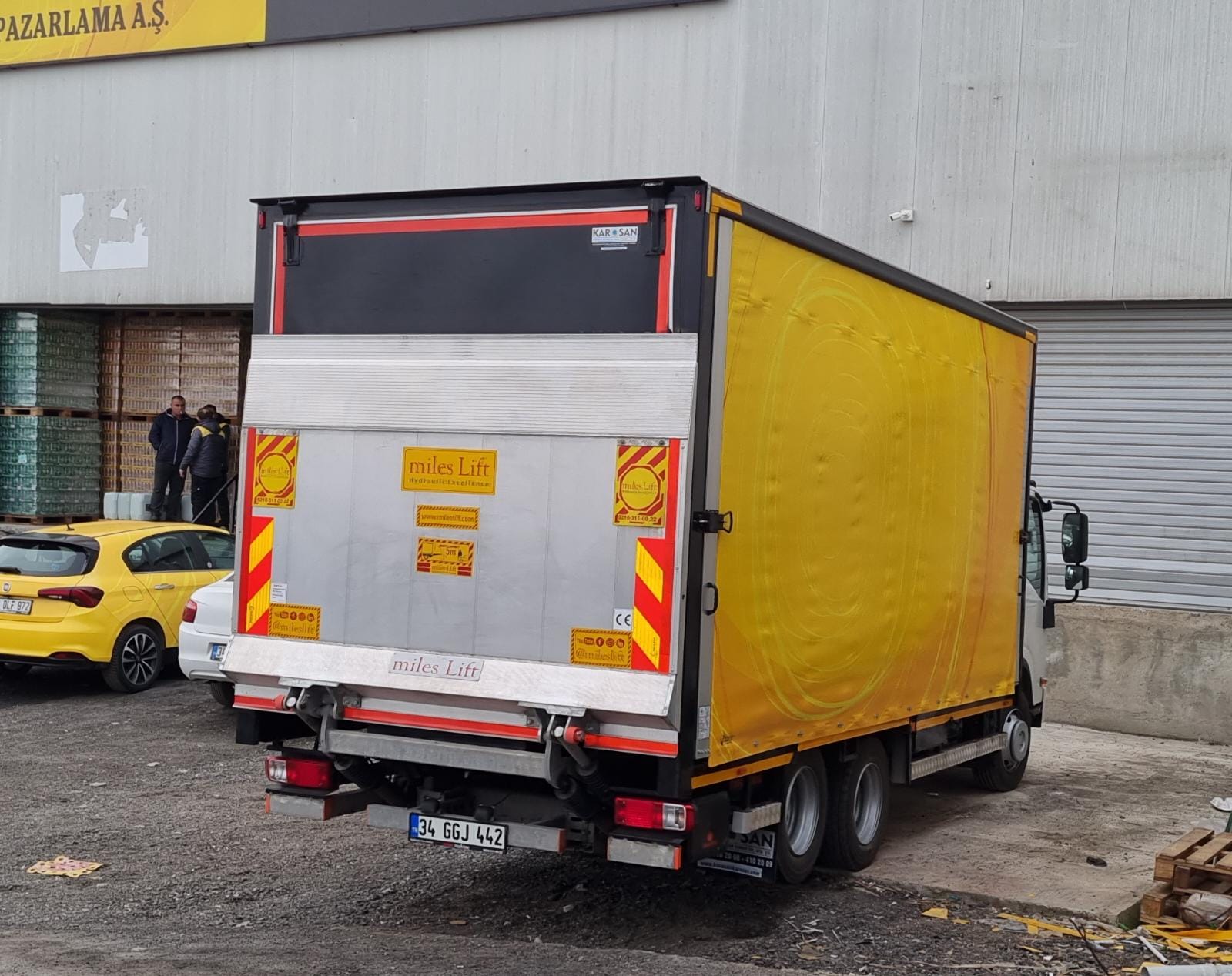
Commercial vehicles play a crucial role in various industries, from logistics and construction to food transportation and waste management. A well-designed commercial vehicle body enhances efficiency, safety, and cost-effectiveness, ensuring that businesses can transport goods and materials reliably. Different truck body types are tailored to meet the specific demands of various industries, offering unique features to accommodate diverse cargo and operational requirements. In this guide, we will explore the different types of commercial vehicle bodies, their key features, selection criteria, safety standards, and future trends in vehicle body design. Understanding these factors will help businesses make informed decisions when investing in a commercial vehicle body.
Understanding Different Body Types
There are various truck body types, each serving a unique purpose based on the nature of the cargo and operational requirements. The most common types include box trucks, flatbeds, refrigerated trucks, curtain-sided trucks, tankers, dump trucks, and specialized vehicle bodies.
Box trucks, also known as dry vans, feature a fully enclosed cargo area that protects goods from weather conditions and theft, making them ideal for general freight and retail deliveries. Flatbeds, on the other hand, offer an open cargo space suitable for oversized and irregularly shaped loads such as construction materials and heavy equipment. Refrigerated trucks, or reefer trucks, are designed with insulated walls and cooling systems to transport perishable goods such as food and pharmaceuticals. Curtain-sided trucks feature retractable curtains on the sides, allowing quick loading and unloading while maintaining cargo protection. Tanker trucks transport liquids such as fuel, chemicals, and water, often equipped with specialized safety features to prevent leaks and spills. Dump trucks, also known as tipper trucks, are essential for the construction and mining industries, as they can unload bulk materials such as sand, gravel, and debris efficiently. Lastly, specialized vehicle bodies are custom-built to meet unique industry requirements, such as mobile medical units, armored transport vehicles, and waste collection trucks.

Key Features of Modern Vehicle Bodies
The modern commercial vehicle body incorporates advanced technology and engineering to enhance durability, efficiency, and safety. One of the key features is lightweight materials, such as aluminum and composite panels, which reduce fuel consumption without compromising strength. Another essential feature is aerodynamic design, which minimizes air resistance and improves fuel efficiency, a critical factor in long-haul transportation.
Modern truck body types are also equipped with customized storage solutions, including shelving, partitions, and secure locking mechanisms, to maximize cargo organization and security. Safety is a top priority, and many vehicle bodies include impact-resistant structures, anti-slip flooring, and reinforced side panels to protect both cargo and personnel. Advanced temperature control systems in refrigerated trucks ensure that perishable goods remain fresh during transportation. Additionally, modern commercial vehicles are increasingly integrating smart technology, such as GPS tracking, telematics, and remote monitoring, to improve operational efficiency and fleet management.
Choosing the Right Body for Your Business
Selecting the right commercial vehicle body depends on several factors, including the type of cargo, industry requirements, operational environment, and budget. Businesses need to evaluate their transportation needs carefully to ensure that the vehicle body aligns with their operational goals.
For businesses handling fragile or temperature-sensitive goods, a refrigerated truck is the best option. Logistics companies that require quick loading and unloading might prefer curtain-sided trucks, while construction companies often rely on flatbeds and dump trucks for heavy materials. Fuel and chemical transport require specialized tanker trucks with safety enhancements. Additionally, businesses should consider the payload capacity and fuel efficiency of the vehicle body to optimize long-term costs. Customization options, such as additional storage compartments, loading ramps, and hydraulic lift gates, can further enhance functionality. Partnering with a reputable body manufacturer ensures that the chosen vehicle meets industry standards and provides long-lasting performance.
Safety and Compliance Standards
Safety and regulatory compliance are critical when designing and operating a commercial vehicle body. Governments and industry organizations impose strict regulations to ensure that vehicles meet safety, environmental, and operational standards.
One of the key aspects of safety compliance is structural integrity, ensuring that the vehicle body can withstand impact and road stress. Load securement regulations require vehicles to have proper anchoring points to prevent cargo from shifting during transit. For refrigerated trucks, temperature control regulations mandate specific temperature ranges for transporting perishable goods. Tanker trucks carrying hazardous materials must adhere to stringent hazmat transportation laws, including spill prevention and emergency response protocols. Additionally, commercial vehicles must pass regular inspection and maintenance checks to ensure roadworthiness. Non-compliance with safety standards can result in heavy fines, legal liabilities, and operational disruptions, making it essential for businesses to stay up-to-date with industry regulations.
Future Trends in Vehicle Body Design
The future of commercial vehicle body design is evolving with advancements in technology, sustainability, and automation. One of the most significant trends is the shift towards lightweight and eco-friendly materials, such as carbon fiber and aluminum composites, to reduce fuel consumption and emissions. Electric and hydrogen-powered commercial vehicles are also gaining traction, requiring specialized vehicle bodies optimized for battery storage and energy efficiency.
Another major trend is automation and smart technology integration. The use of IoT (Internet of Things) sensors, GPS tracking, and AI-driven fleet management systems is enhancing logistics efficiency, allowing businesses to monitor vehicle performance and cargo conditions in real time. Autonomous and semi-autonomous trucks are also being developed, which will require innovative vehicle body designs to accommodate new safety and operational features.
Additionally, modular vehicle bodies are becoming popular, allowing businesses to adapt a single chassis for multiple applications. This flexibility can reduce costs and improve resource utilization. With increasing emphasis on sustainability and efficiency, the future of commercial vehicle bodies will continue to evolve to meet the demands of modern industries.
Conclusion
The commercial vehicle body industry offers a diverse range of truck body types, each designed to meet specific transportation needs. From box trucks and flatbeds to refrigerated trucks and tanker trucks, businesses must carefully choose the right vehicle body to optimize efficiency, safety, and cost-effectiveness. With advancements in technology, safety regulations, and sustainability efforts, modern vehicle bodies are becoming more innovative and adaptable. By understanding the key features, compliance standards, and future trends, businesses can make informed decisions that enhance their operational success.
Want to enhance your fleet with high-quality commercial vehicle bodies? Contact Karosan Karoser today for expert solutions tailored to your business needs.