

The transportation of shipping containers is a critical part of global logistics, requiring specially designed container carrier bodies to ensure safe and efficient movement. Whether for intermodal transport, long-haul trucking, or short-distance freight transfers, container transport demands high durability, proper load securing, and optimized weight distribution.
A well-constructed container transport system reduces transit risks, prevents cargo damage, and improves operational efficiency. Modern container carrier bodies incorporate advanced securing systems, weight distribution strategies, safety mechanisms, and efficient loading/unloading procedures to enhance transport effectiveness.
This guide explores key elements in container carrier design, highlighting best practices for securing loads, optimizing vehicle balance, maintaining safety standards, and ensuring efficient maintenance and handling procedures.


Container Securing Systems
Ensuring that containers remain firmly in place during transit is one of the most critical aspects of container transport. Containers are heavy, and any movement during transportation can lead to cargo damage, vehicle instability, or road hazards.
Modern container carrier bodies use advanced securing mechanisms such as twist locks, lashing systems, and locking pins to keep containers stable.
Twist Locks
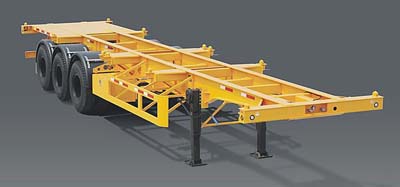
Twist locks are the most widely used securing system for container transport. They are placed at each corner of the container and securely lock into the chassis of the truck. These locks prevent lateral and vertical movement, ensuring the container remains in place even on rough terrain.
Lashing Systems
Lashing chains and straps provide additional security by anchoring containers to the truck frame. These are especially useful for transporting containers over long distances or in challenging weather conditions where additional stability is required.
Corner Castings and Locking Pins
Corner castings allow for easy and secure locking of the container onto the truck chassis. Locking pins, when properly engaged, offer an added layer of protection, keeping the container firmly in place during acceleration, braking, and turns.
A well-secured container minimizes transport risks and ensures compliance with international shipping regulations.
Weight Distribution
Proper weight distribution is crucial in container transport, as uneven loads can lead to vehicle instability, increased tire wear, and higher fuel consumption. Container carrier bodies are designed to evenly distribute the weight of the container across the chassis to ensure smooth and safe operation.
One of the most important factors in weight distribution is axle load balancing. Regulations specify the maximum allowable weight on each axle to prevent road damage and ensure vehicle stability. When loading a container, it is essential to place heavier goods toward the center of the truck to prevent excessive pressure on the front or rear axles.
Another key element is chassis length and structure. Some container carrier trucks have extendable chassis to accommodate different container sizes, ensuring optimal weight distribution regardless of load length. Additionally, adjustable suspension systems help maintain an even weight balance, reducing strain on vehicle components.
By properly managing weight distribution, businesses can extend vehicle lifespan, reduce maintenance costs, and improve overall fuel efficiency.

Safety Mechanisms
Safety is a top priority in container transport, as improperly secured or unbalanced loads can lead to serious accidents. Modern container carrier bodies incorporate a range of safety mechanisms to prevent incidents and ensure compliance with transportation regulations.
One of the most essential features is anti-lock braking systems (ABS), which prevent wheel lock-up during sudden braking, ensuring better control of the vehicle. In addition, electronic stability control (ESC) helps reduce the risk of rollovers by automatically adjusting braking force when it detects instability.
Reflective markings and LED lighting systems improve visibility, making container carrier trucks more noticeable to other road users, especially during nighttime operations. Some trucks also include collision avoidance systems that use sensors and cameras to detect obstacles and warn drivers of potential hazards.
To further enhance safety, container weight sensors are being integrated into modern trucks. These sensors measure load distribution in real time, helping drivers and fleet managers ensure compliance with weight regulations and prevent overloading.
Ensuring proper safety mechanisms protects both the driver and the cargo while reducing the risk of transport-related accidents.
Maintenance Tips
Regular maintenance is essential for ensuring the long-term durability and efficiency of container carrier bodies. Given the heavy loads they transport, these vehicles require frequent inspections and servicing to prevent breakdowns and costly repairs.
A key maintenance practice is checking the structural integrity of the chassis. Over time, constant exposure to heavy loads and rough road conditions can cause wear and tear on the frame. Inspecting for cracks, rust, or weakened joints helps prevent failures during transport.
Another important aspect is lubrication of twist locks and securing mechanisms. Regularly applying lubricant prevents corrosion and ensures that locking systems function smoothly, reducing the risk of cargo shifting during transit.
Routine tire inspections are crucial, as improper inflation or excessive wear can lead to blowouts. Given the weight that container carrier bodies handle, ensuring that tires are in optimal condition improves vehicle stability and fuel efficiency.
Brake systems should also be checked frequently, as the additional weight of containers increases braking distance. Replacing worn-out brake pads and ensuring that air brakes are functioning properly helps maintain safety during transport.
By following a structured maintenance schedule, companies can reduce downtime, enhance vehicle longevity, and avoid unexpected mechanical failures.
Loading/Unloading Procedures
Efficient loading and unloading procedures are crucial in container transport to minimize delays and reduce labor costs. The process must be carefully managed to ensure safety and prevent cargo damage.
One of the most widely used methods is crane-assisted loading, where overhead or gantry cranes lift containers and place them onto the carrier body. This method is commonly used in ports and freight terminals, where high-capacity cranes handle multiple containers simultaneously.
Another common approach is reach stackers and forklifts, which allow for quick and flexible container handling in distribution centers and warehouses. Reach stackers offer the advantage of precise maneuverability, making them ideal for stacking and retrieving containers efficiently.
Some container carrier bodies are equipped with hydraulic lifting mechanisms, enabling self-loading and unloading without the need for external equipment. These systems are particularly useful in remote locations where cranes or forklifts may not be available.
To streamline the process, modern logistics companies integrate automated tracking systems that monitor container positioning and ensure accurate placement. These systems use RFID tags or GPS tracking to keep records of container movements, reducing the risk of misplacement and improving overall efficiency.
By following best practices in loading and unloading procedures, businesses can optimize turnaround times and enhance supply chain performance.
Conclusion
The container carrier body plays a crucial role in global logistics, ensuring that shipping containers are transported safely, efficiently, and cost-effectively. From securing systems and weight distribution to safety mechanisms, maintenance strategies, and loading procedures, each aspect contributes to seamless transport operations.
Modern container transport solutions focus on durability, regulatory compliance, and operational efficiency, helping logistics companies minimize risks and maximize profitability. Investing in high-quality container carrier bodies and following best practices ensures that cargo arrives at its destination securely and on time.
Looking for reliable container carrier bodies that ensure safe and efficient transport? Contact Karosan Karoser today for expert solutions tailored to your logistics needs.