
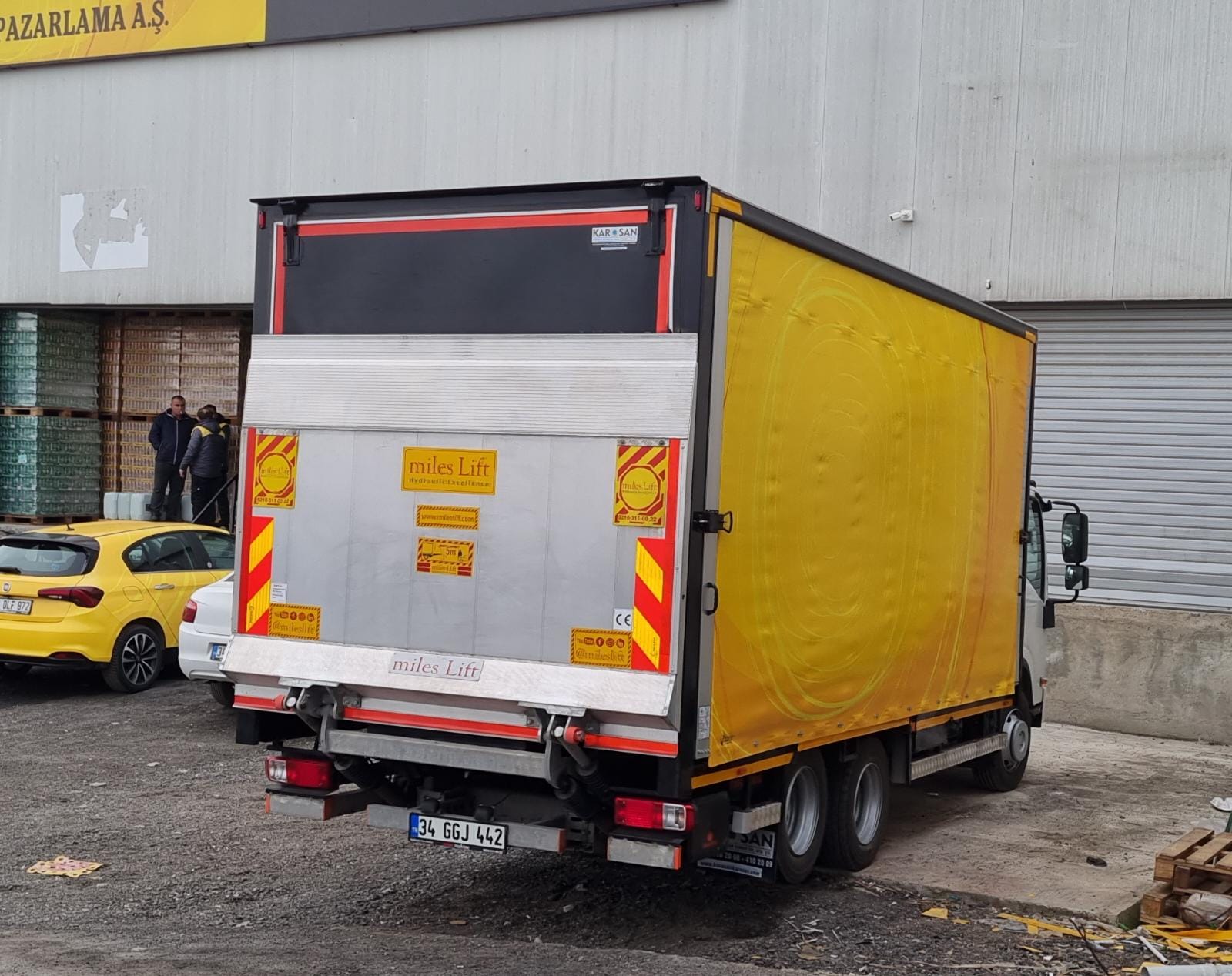
The demand for refrigerated truck bodies has significantly increased due to the expanding global need for fresh food, pharmaceuticals, and temperature-sensitive products. Cold chain logistics ensures that perishable goods are transported under optimal temperature conditions, maintaining product integrity and safety. The efficiency of a refrigerated truck body plays a crucial role in preventing spoilage, reducing waste, and meeting regulatory requirements.
Advancements in technology, insulation materials, and temperature control systems have transformed refrigerated transport, making it more reliable and energy-efficient. This guide explores the latest cooling technologies, insulation methods, temperature management systems, maintenance requirements, and energy efficiency solutions that define modern refrigerated truck bodies. Understanding these factors will help businesses make informed decisions when selecting refrigerated transport solutions.
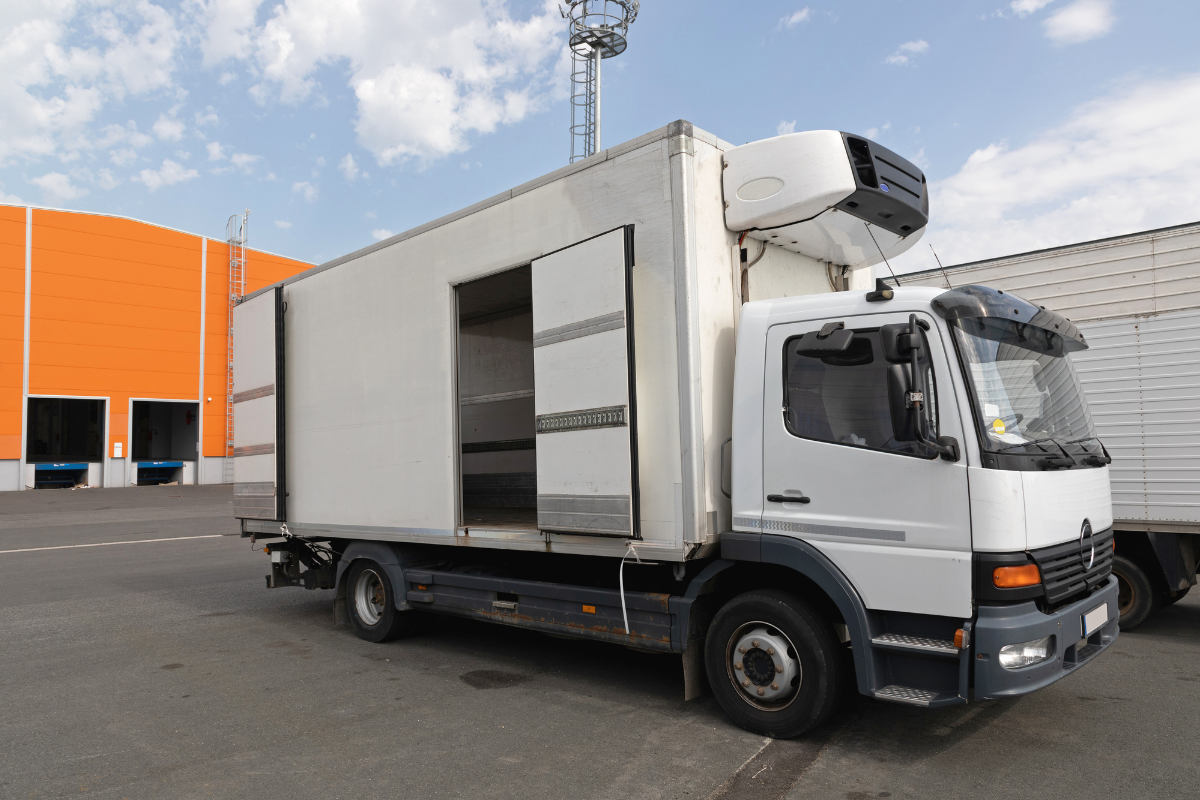
Explore: THERMOPANEL INSULATED METAL TYPE FRIGORIFIC BODY
Latest Cooling Technologies
Refrigerated transport relies on advanced cooling technologies to maintain precise temperature conditions. Modern refrigerated truck bodies use various cooling methods depending on the type of cargo, required temperature range, and operational conditions.
One of the most widely used systems is mechanical refrigeration, which operates using a compressor-powered cooling unit. This system circulates refrigerant gases to remove heat from the cargo area, ensuring consistent cooling. Mechanical refrigeration is commonly used in food distribution and pharmaceutical transport, where temperature precision is essential.
Cryogenic cooling systems, which use liquid nitrogen or carbon dioxide, provide an alternative solution for maintaining extremely low temperatures. These systems are ideal for transporting frozen products and biological materials. Unlike mechanical refrigeration, cryogenic cooling does not require an external power source, making it suitable for long-haul shipments.
Another innovative approach is thermoelectric cooling, which uses electrical currents to transfer heat away from the refrigerated compartment. While not as powerful as mechanical or cryogenic systems, thermoelectric cooling is energy-efficient and suitable for small-scale applications.
Hybrid refrigeration technology is gaining popularity, combining traditional mechanical systems with battery-powered or solar-assisted cooling units. These systems improve energy efficiency and reduce reliance on diesel-powered refrigeration, contributing to sustainability efforts in cold chain logistics.
Insulation Materials and Methods
The effectiveness of a refrigerated truck body depends not only on its cooling system but also on its insulation properties. High-quality insulation minimizes temperature fluctuations and reduces energy consumption by preventing heat transfer into the refrigerated compartment.
The most commonly used insulation material is polyurethane foam, known for its excellent thermal resistance and lightweight properties. Polyurethane foam panels are widely used in refrigerated truck bodies due to their ability to maintain consistent temperatures for extended periods.
Vacuum insulation panels (VIPs) offer superior insulation performance compared to traditional foam-based materials. VIPs consist of a core material enclosed in a vacuum-sealed panel, significantly reducing heat transfer. While more expensive, vacuum insulation is increasingly used in high-end refrigerated transport applications where temperature stability is critical.
Fiberglass-reinforced plastic (FRP) panels are another popular insulation method. These panels are highly durable, resistant to moisture, and provide a smooth surface that prevents bacterial growth, making them ideal for food and pharmaceutical transport.
The construction method of the refrigerated truck body also affects insulation efficiency. Seamless panel assembly, airtight door seals, and multi-layer insulation designs help prevent thermal leaks and improve temperature retention. Modern refrigerated trucks often feature reinforced flooring with additional insulation to prevent heat ingress from the road surface.
Temperature Control Systems
A well-designed refrigerated truck body incorporates advanced temperature control systems to ensure cargo remains within the required temperature range. These systems continuously monitor and adjust cooling conditions based on real-time data, reducing the risk of temperature fluctuations.
One of the most important features in modern refrigerated transport is automated temperature monitoring. Digital sensors placed throughout the cargo area measure temperature variations and provide instant feedback to the cooling system. These sensors are connected to cloud-based monitoring platforms, allowing fleet managers to track temperature conditions remotely.
Advanced refrigerated trucks also use multi-zone temperature control, enabling different sections of the truck to maintain distinct temperature settings. This feature is especially useful for transporting mixed loads, such as frozen goods and fresh produce, within the same vehicle.
Real-time alerts and notifications help prevent cargo loss by warning drivers and operators about temperature deviations. Many refrigerated truck bodies are now equipped with predictive analytics, which uses historical data to anticipate potential cooling system failures and schedule maintenance before issues arise.
To further enhance temperature stability, modern trucks use air circulation systems that evenly distribute cold air throughout the cargo area. These systems prevent hot spots and ensure uniform cooling, even when the truck is fully loaded.
Maintenance Requirements
Regular maintenance is crucial for ensuring the long-term efficiency and reliability of a refrigerated truck body. Proper upkeep reduces downtime, prevents costly repairs, and ensures compliance with cold chain transport regulations.
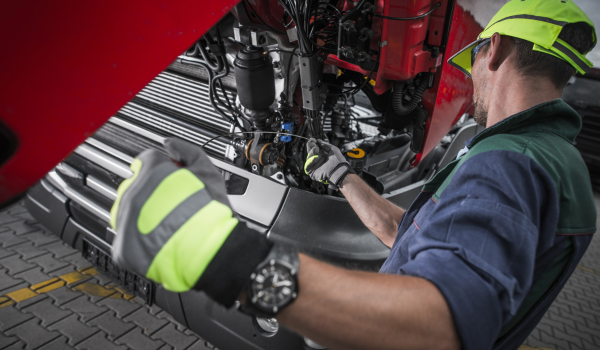
One of the most important maintenance tasks is inspecting the refrigeration unit for leaks, worn-out components, and refrigerant levels. Over time, compressor systems may develop issues that compromise cooling performance, making routine inspections essential.
The insulation materials of a refrigerated truck body should also be checked for damage, as cracks, gaps, or worn-out seals can lead to temperature fluctuations. Door gaskets and seals must remain airtight to prevent warm air infiltration, which can cause condensation and reduce cooling efficiency.
Cleaning the refrigeration system and air circulation vents is another critical maintenance practice. Dirt and debris can obstruct airflow, reducing cooling effectiveness and increasing energy consumption. A regular cleaning schedule helps maintain optimal performance.
Battery-powered refrigeration units and hybrid systems require additional maintenance, including checking battery health and ensuring proper energy storage capacity. As electric and solar-assisted refrigeration technologies become more common, maintenance practices will continue to evolve.
Energy Efficiency Solutions
Energy efficiency is a growing concern in cold chain logistics, as reducing fuel consumption and emissions contributes to both cost savings and environmental sustainability. Modern refrigerated truck bodies incorporate various energy-efficient solutions to optimize performance.
One of the most effective strategies is the use of high-efficiency compressors, which consume less power while maintaining strong cooling performance. Advances in compressor technology have led to systems that adjust cooling intensity based on cargo load and ambient temperature, minimizing unnecessary energy usage.
The integration of solar panels on refrigerated truck roofs provides an additional power source for cooling systems. Solar-assisted refrigeration helps reduce reliance on diesel-powered generators, lowering fuel costs and emissions. These systems are particularly beneficial for long-haul transport, where continuous cooling is required.
Regenerative braking technology is another innovative energy efficiency solution. Some modern refrigerated trucks use kinetic energy from braking to power auxiliary systems, including refrigeration units. This reduces overall fuel consumption and enhances sustainability in cold chain logistics.
Lightweight construction materials also contribute to improved energy efficiency. By reducing the overall weight of the refrigerated truck body, businesses can achieve better fuel economy without compromising insulation quality. New materials, such as carbon fiber-reinforced panels, are being explored for their lightweight yet durable properties.
Conclusion
The refrigerated truck body plays a vital role in cold chain logistics, ensuring that perishable goods remain safe and fresh during transportation. With advancements in cooling technologies, insulation materials, temperature control systems, and energy-efficient solutions, modern refrigerated transport is more reliable and sustainable than ever.
Businesses that rely on cold chain logistics must stay informed about the latest innovations in refrigerated truck bodies to enhance efficiency, reduce operational costs, and comply with regulatory standards. By investing in high-quality refrigeration technology and adopting energy-efficient practices, companies can improve their cold chain operations while minimizing environmental impact.
Looking for cutting-edge refrigerated truck bodies designed for maximum efficiency? Contact Karosan Karoser today for innovative solutions tailored to your cold chain logistics needs.